By Jessica Tinianow
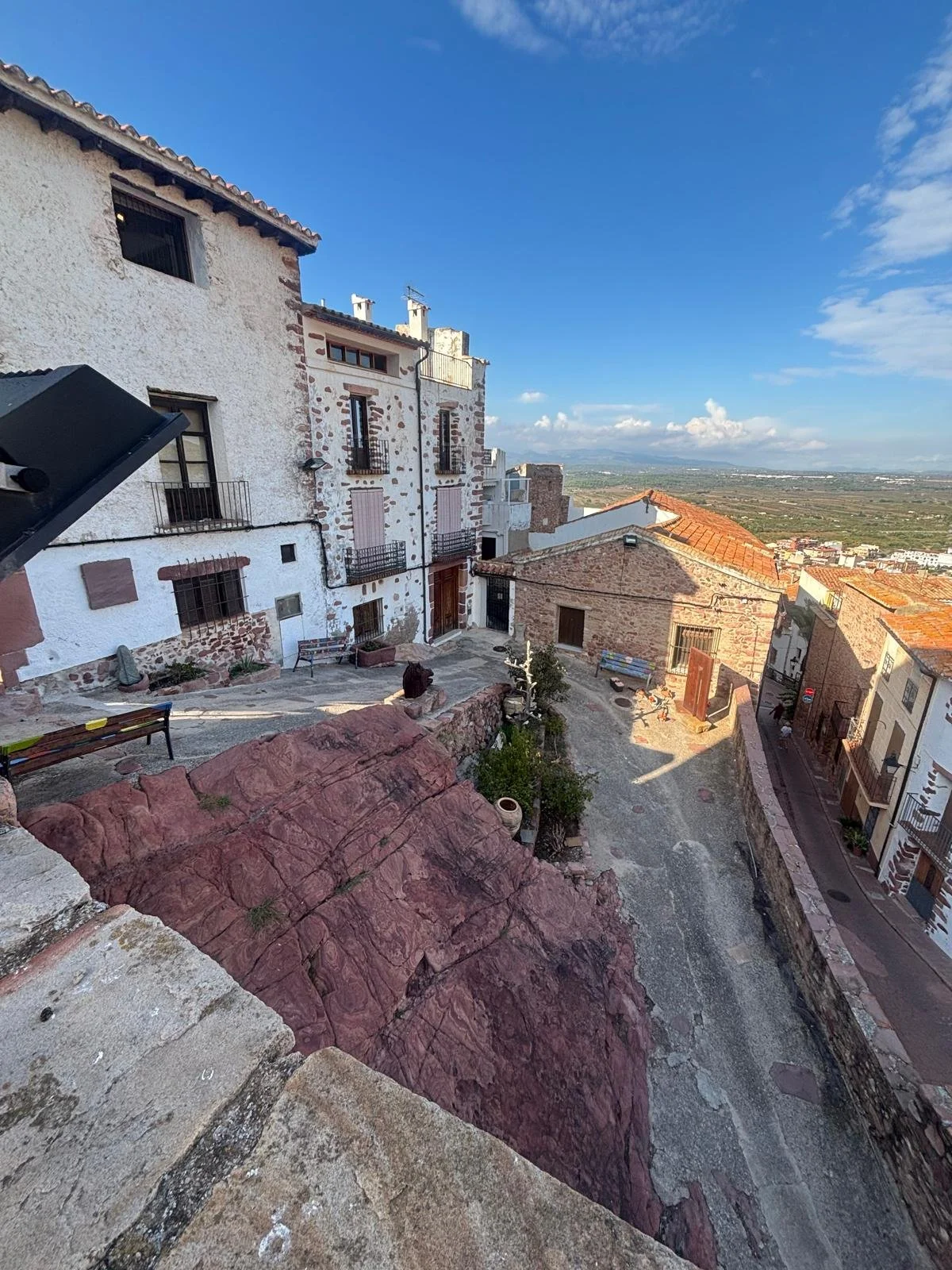
Having visited major art fairs around the world, I am accustomed to encountering art in carefully curated booths, museum galleries, and the elaborate settings of the international art market. But traveling through Spain by bicycle has introduced me to another way of discovering art, one that has little to do with following an exhibition calendar or knowing which artists to seek out. In the hills and villages of Castellón, art has appeared in places I might easily have passed by. Two particularly memorable discoveries, in Fanzara and Vilafamés, offered contrasting perspectives on how contemporary art can inhabit a place. A third encounter, in an artist’s studio in Vilafamés, reminded me that some of the most revealing experiences in the art world happen entirely by chance.
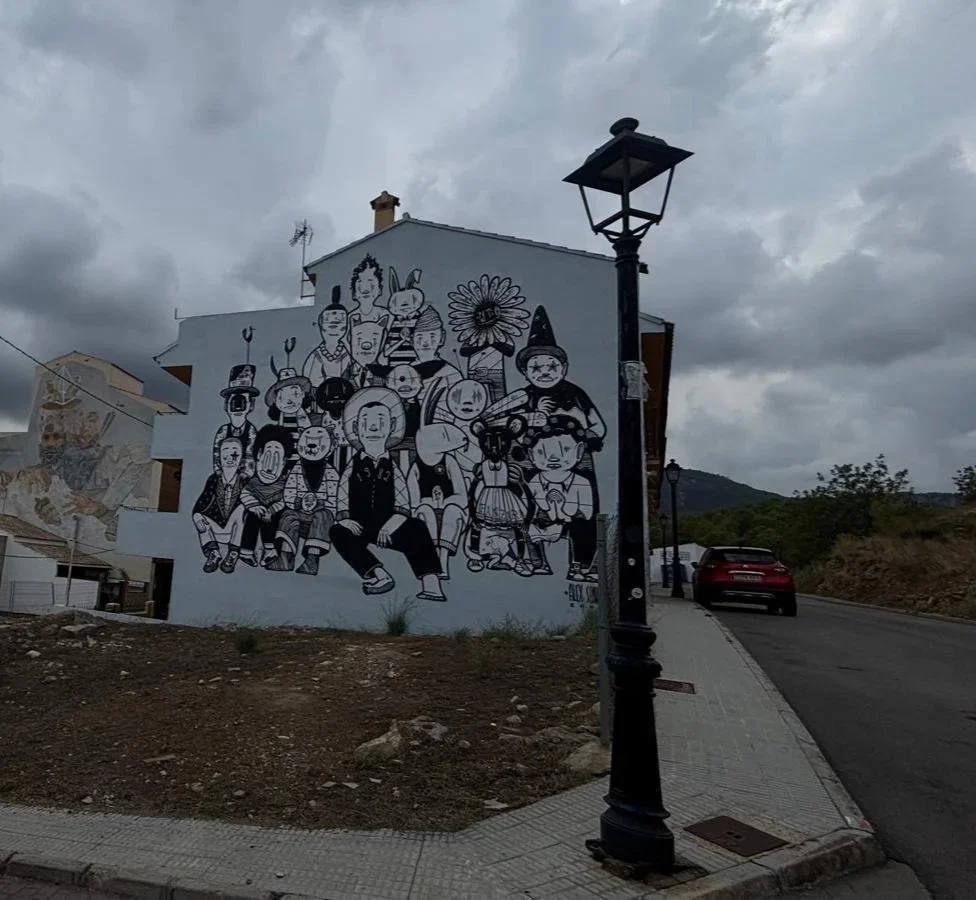
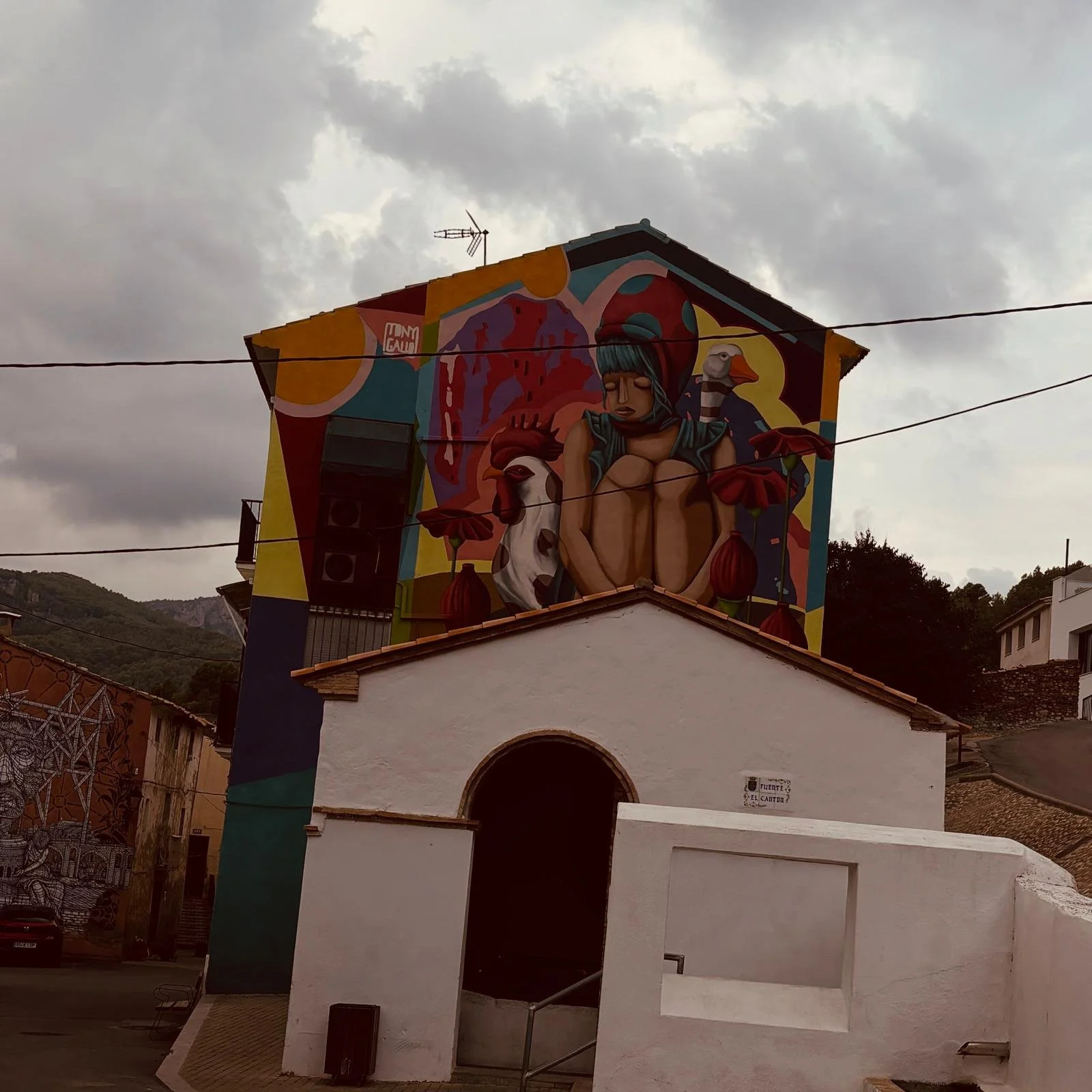
In Fanzara, I discovered MIAU, the Museo Inacabado de Arte Urbano, or Unfinished Museum of Urban Art. This small village has become an evolving outdoor exhibition, with murals by artists from different places transforming the façades of houses and other buildings. Walking through its streets, I found myself looking at architecture differently. Walls that might otherwise recede into the background become the principal surfaces of an exhibition. Art appears around corners and along narrow streets, making the act of discovery part of the experience. Unlike a conventional museum, MIAU has no clear boundary separating the artwork from everyday life. Residents continue their routines among the murals, and the village itself provides the setting. The result raises interesting questions about where art belongs, who encounters it, and what happens when contemporary art enters a community rather than asking the public to enter a gallery. I didn’t arrive in Fanzara as part of an organized art itinerary. I found it while exploring the countryside by bicycle, which made the discovery feel all the more rewarding.
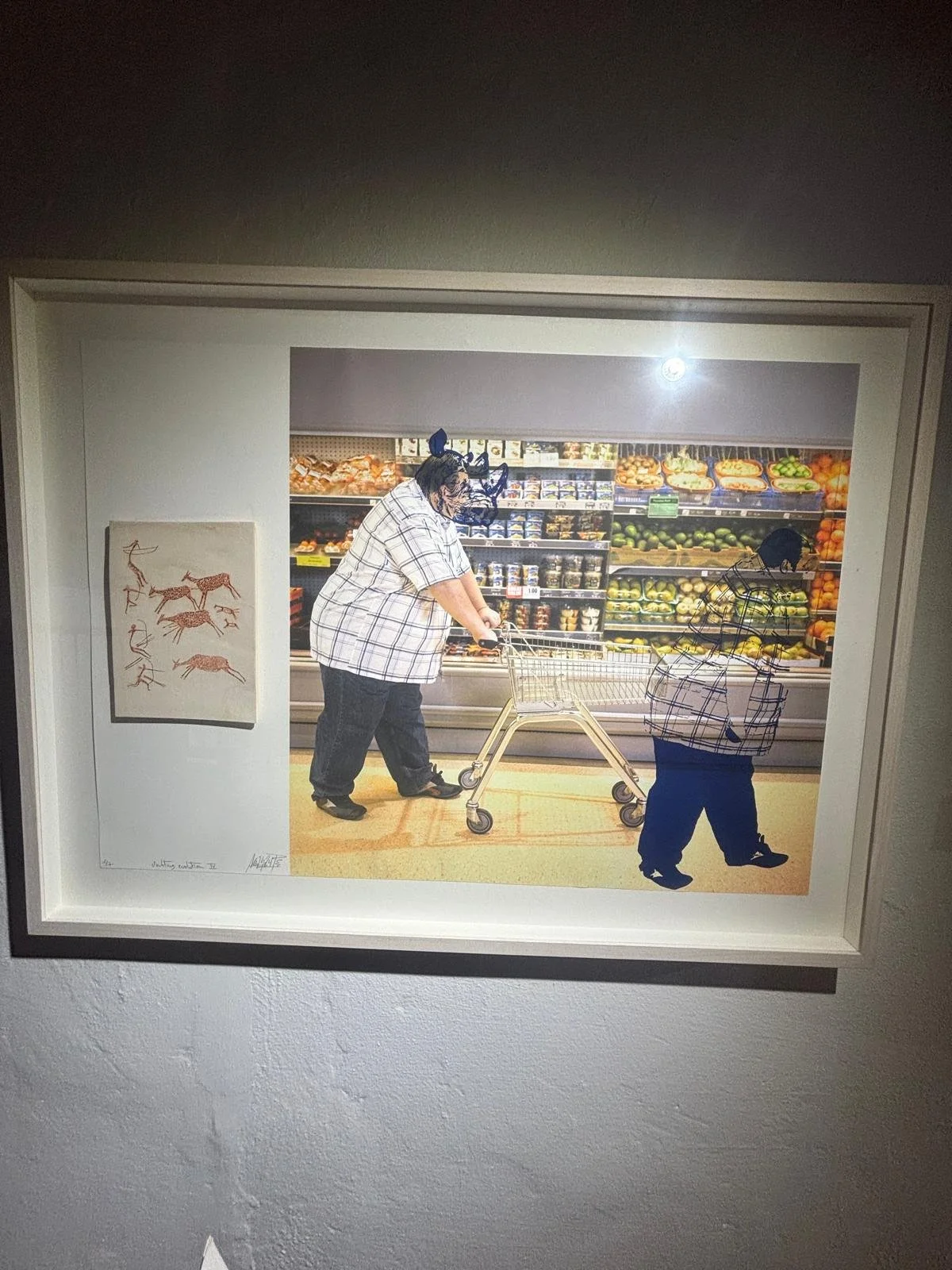
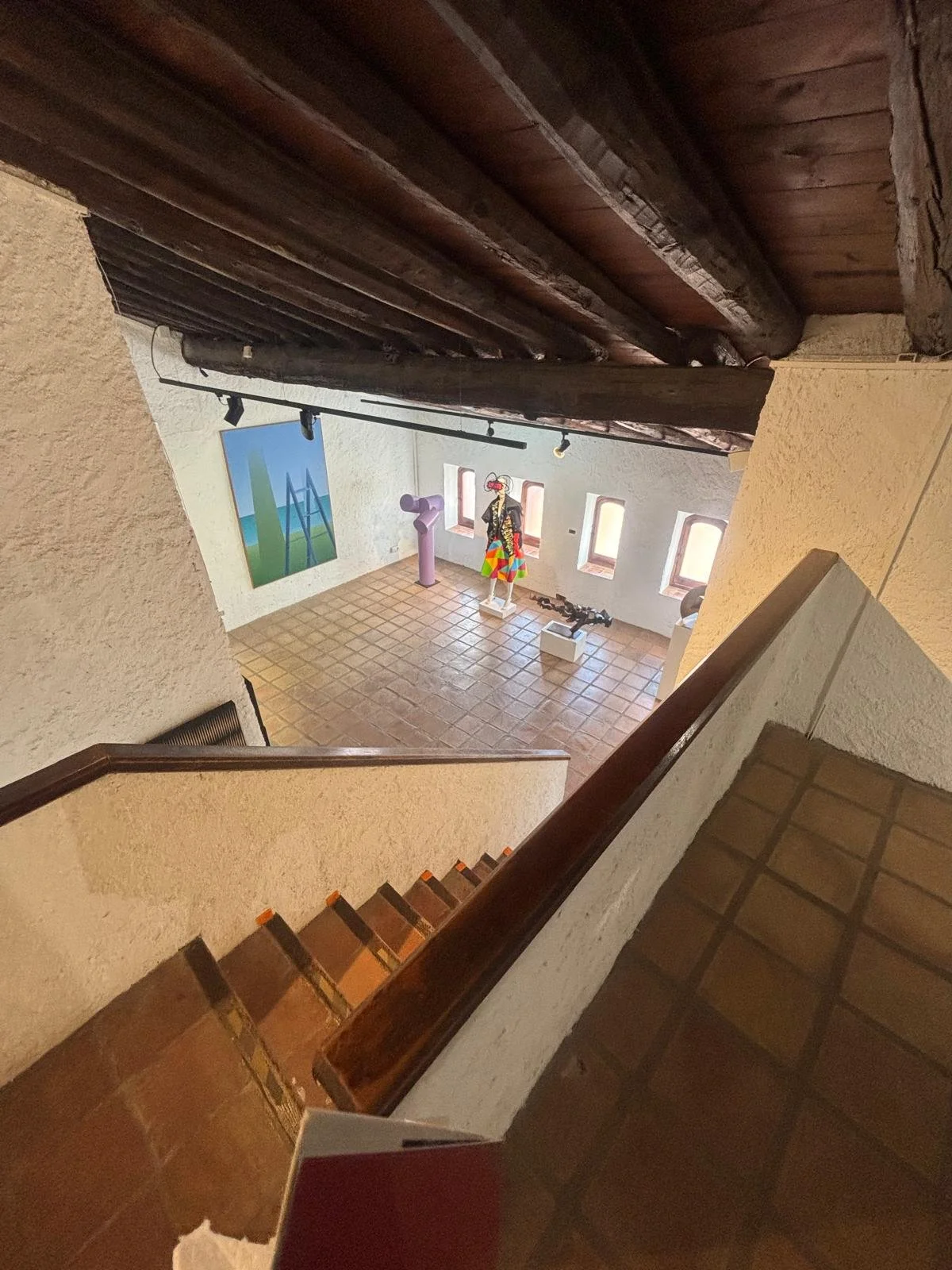
In Vilafamés, I found a very different artistic experience at MACVAC, the Museu d’Art Contemporani Vicente Aguilera Cerni. Housed in the historic Palau del Batlle, a beautiful Gothic-style palace dating to the fifteenth century, the museum brings contemporary art into a building deeply connected to the village’s architectural history. Moving through its multiple levels and rooms, I encountered paintings, sculptures, and other works by Valencian, Spanish, and international artists including Amparo Escriva Palacios "suburban train " from 1986. The collection reflects the richness of a regional art scene that deserves attention beyond its immediate geography. Among the works, a small sculpture displayed in the patio particularly caught my attention, the ceramic sculpture "Dona de Cadira" (Woman in a Chair) is a 2006 work by artist Progreso Domínguez I was also struck by the range of Valencian artists represented in the collection, from paintings and sculptures to other forms of artistic expression. Including The building itself contributed to the experience. Exploring its different levels and rooms offered a sense of intimacy that is sometimes lost in larger, more impersonal museum spaces.
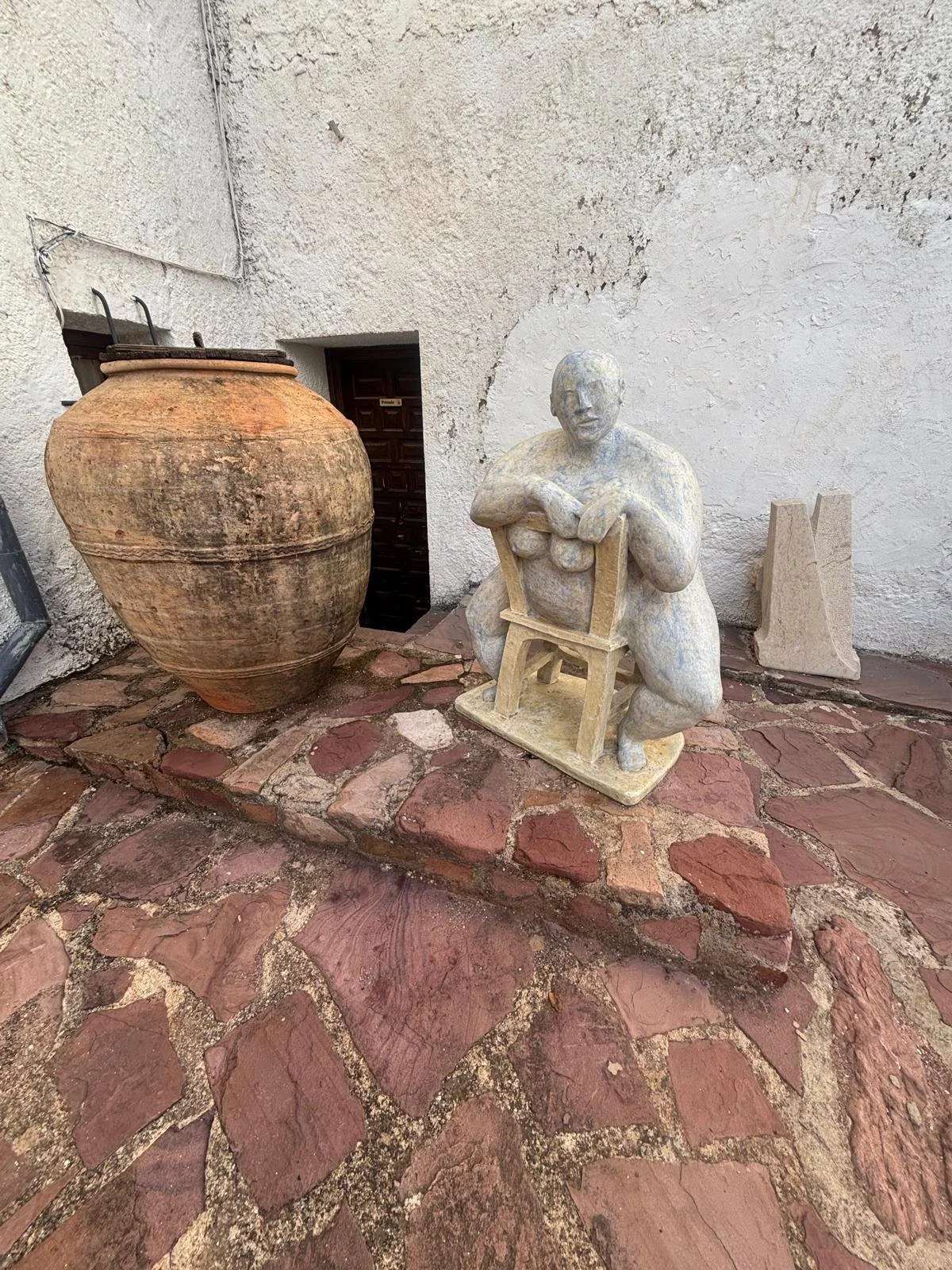
Progreso Domínguez, Dona de Cadira, 2006, Ceramic, 108 x 78 x 60 in.
What interested me was not simply the opportunity to see contemporary art in a historic setting, but the relationship between the collection and the place that houses it. Vilafamés is not merely a picturesque village with a museum added to its attractions. Art has become part of its cultural identity, with artists connected to the village and its historic buildings contributing to an environment in which art exists both inside and outside institutional spaces. The museum offers one point of entry into this artistic community, but the village itself suggests a wider story about the relationship between place, architecture, and creative practice.
My encounter with Vilafamés’ artistic community continued beyond the museum, in a way I could never have planned. I was looking for water and asked a woman standing on her balcony if she could help me. Rather than simply pointing me toward a shop or fountain, she called to a man outside his house and asked him to let me in. He led me through a room toward the kitchen, and I suddenly realized that the space was filled with art. I had walked into an artist’s working environment. His first name was Gabriel, although I have yet to establish his full name. It was an encounter that could never have been arranged through an exhibition invitation or a gallery appointment. I was simply a cyclist passing through, and a request for water had unexpectedly opened a door into someone’s artistic life.
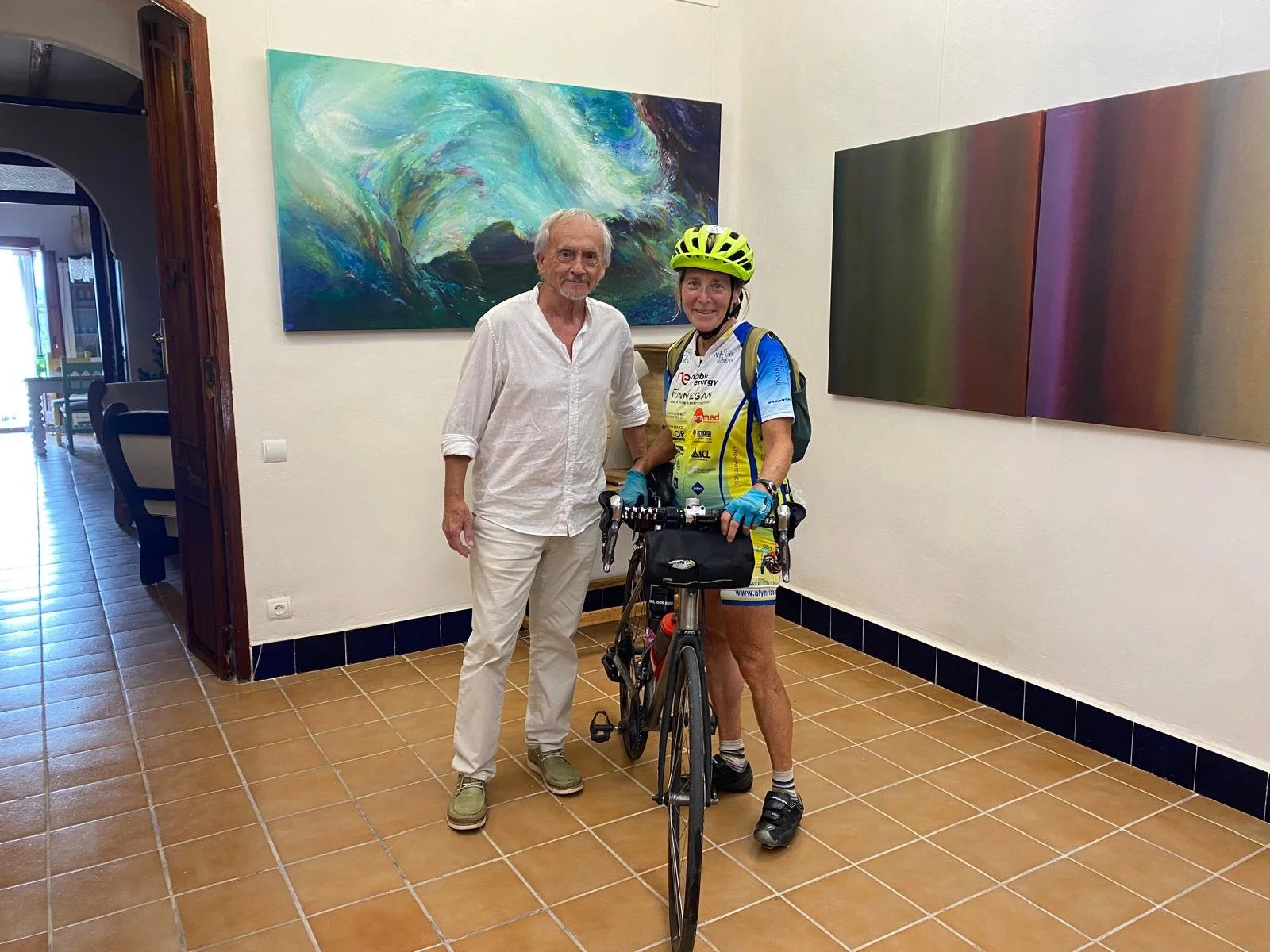
Having spent time at major international art fairs, I found something particularly appealing about this encounter. The art world is often experienced through its established structures: galleries, institutions, curators, collectors, and fairs. Here, I encountered art in a far more personal context, in the place where an artist works, within a village that appears to have attracted a community of creative people. There was no formal introduction, no exhibition opening, and no expectation that I would be interested in art. It was an ordinary human interaction that led to an extraordinary discovery. It reminded me that the art world extends well beyond its most visible markets and institutions. There are quieter, less formal networks of artistic exchange that can be discovered only by being present in a place and remaining open to what happens.
Cycling connected these experiences in a way that traveling by car or following a conventional sightseeing itinerary might not have done. The roads through Castellón’s hills led me into villages where I could stop, look around, and follow my curiosity without knowing what I would find. For me, this is one of the pleasures of traveling on two wheels: the landscape is not simply something to cross on the way to a destination. It becomes part of the discovery itself. A climb through the mountains can lead to a village with an unexpected cultural life; a turn off the main road can reveal a historic building, a painted façade, or an artist’s studio that never appeared on the original itinerary.
Fanzara demonstrated how contemporary art can transform public space and become part of a village’s identity. MACVAC offered a more traditional museum experience while revealing the depth of the region’s artistic heritage. And the artist’s studio brought the experience back to the individual—to the person making the work, away from the structures through which art is usually presented and sold. Together, these encounters offered a different way of thinking about how art reaches people and how artistic communities develop beyond the major cultural centers.
I had set out to explore the Spanish countryside by bicycle. Instead, I found myself exploring an art world as well, one that emerged gradually through historic buildings, village streets, contemporary murals, and the unexpected generosity of strangers. After visiting major art fairs around the world, it was refreshing to discover art without a schedule, a guest list, or a plan. Sometimes the most interesting exhibitions are not the ones we set out to visit. They are the ones we discover along the way.